Wednesday, April 13, 2022

Parts I Most Often Service

    One of the main things a mechanic does, is replace or fix parts. There's so many moving components to an engine that something is almost always going to need repair. Some parts aren't meant to last forever, and usually need to be replaced after enough wear. But wear and tear isn't the only thing that causes pieces of an engine to malfunction. Time, weather conditions or accidents can cause a need for a replacement. I've repaired and replaced all kinds of parts, but here are the Top 5 of the most common ones that I see.
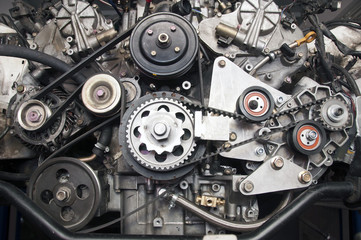
Photo courtesy of Adobestock.com

1. Tires:

     While there are some small engines have solid wheels, like push mowers or pressure washers, many machines have inflated tires, and these don't last forever. They come in all shapes and sizes, and seem to be one of the most often parts of a machine to replace.

2. Fuel lines:

    Hands down, the most common piece of a machine to crack, or dry-rot, fuel lines are absolutely necessary for an engine to work, and yet often need to be serviced.

3. Spark Plugs:

    Most engines I work on have a malfunctioning or dirty spark plug. Whether the electrode is bent, or the terminal is corroded, I never fail to check the spark plug and clean it. 

 4. Carburetors:

     Many times when an engine isn't running right, it could very well be a problem in the carburetor. It never hurts to take the bowl off, check the float or clean the jets. Oftentimes, the carburetor may be broken or malfunctioning requiring a necessary replacement.

5. Exhaust Systems:

    Due to the heat and stress of the metal, exhaust systems are prone to cracking or breaking. While with some exhaust pipes, such as those on larger vehicles, you can get away will welding a crack or hole, small engines' exhaust pipes are considerably thinner, and therefore must simply be replaced. 

Tuesday, April 5, 2022

Choosing a Weed Eater

     Besides lawn mowers, weed eaters, or weed-wackers are one of the most common machines to find in someone's garage. If you do any yard work, you've probably used or owned one of these. If you are just looking into buying one for yourself, here are some helpful tips. With a few clear specifics, you can narrow down your options considerably. 


    A good place to start would be to ask yourself, 'How often will I use it?' Most likely if you're only purchasing one of these machines for weekly or monthly yard-trimming, you won't need to invest in an expensive industrial weed-eater. In fact, an electric weed-eater would suffice, and in some cases are just as powerful as its gas rival. But, on the other hand, you will get what you pay for, so if it seems too good to be true, it most likely is...

    However, if you're planning to use it regularly such as for a job, it would be wiser to buy a more durable and powerful option. Electric weed-eaters generally don't have as much power as their gas counterparts, and are usually out of the question- that is until Tesla starts manufacturing their own. Two-stroke gas trimmers and even four stroke will get the job done.

    Once you've decided on the type of weed-eater that suits you, it's time to choose based on your preferences and budget. The main customization on these is the diameter of your cutting head, which in theory is determined by the length of your debris block. 16 inches is the typical range, which will work fine for almost any job. 

    When choosing a weed-eater, don't be afraid to ask others who have purchased the same machine what they think of its performance, or if ordering online, read reviews. Most known brands are tried and true, Stihl being the highest lead brand for weed-eaters as of now, and has several varieties to choose from.

Wednesday, March 30, 2022

Common Problems That Cause People to Throw Away Equipment

     Have you ever seen a discarded lawn mower at a curb, waiting to be taken to a scrapyard, or maybe a rusty chainsaw in a dumpster left to be forgotten? Many people throw away a piece of equipment simply because it doesn't work, or couldn't be fixed. 

    Granted, some engines will surely be too far rusted or broken to repair, and the cost of doing so would be just as much, if not more to just purchase a replacement. But in the world of small engines, this is not as common. In many cases, the engine can be fixed and running with the help of your local mechanic. 

    With a few tools, some know-how, and a little ingenuity, an old piece of junk can be restored to its original working condition. A few replacements and most likely lots of cleaning could very well get you a new machine for a fraction of the price of buying a new machine. And what's the worst that could happen? If it doesn't work, you had nothing to lose in the first place! Always contact your mechanic if you have any questions.

   If you find yourself in need of a new piece of equipment, maybe try your local mechanic about that old mower in your garage, as it could save you money!

Wednesday, March 23, 2022

Choosing a Pressure Washer

     Pressure washers are probably one of the most variable machines out there. You can get different PSI's, different engine sizes, different attachments of all kinds, and not to mention brands... Here's some helpful tips:

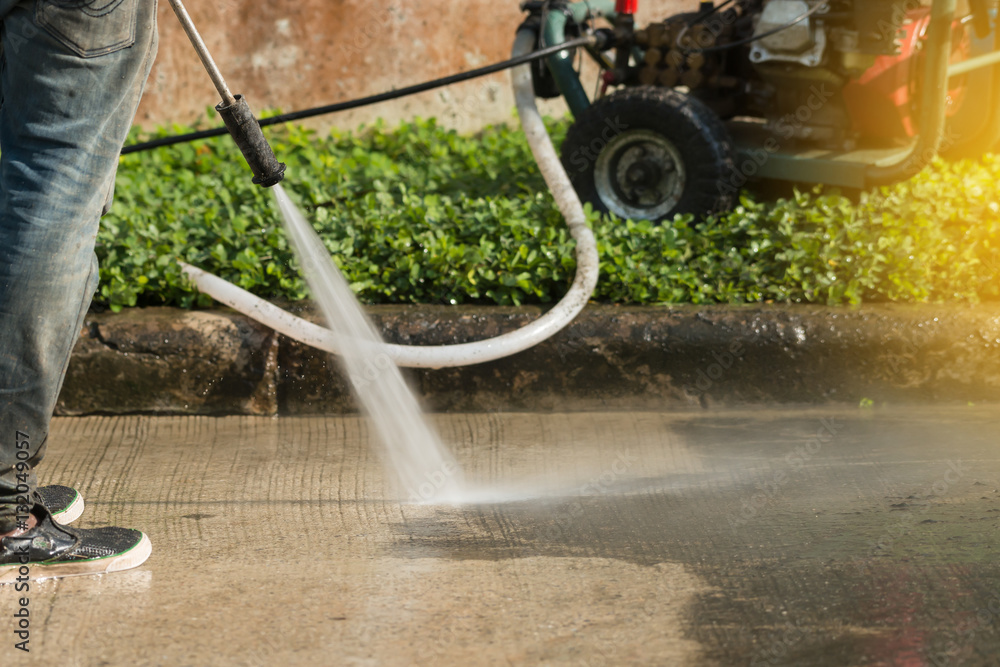
High pressure deep cleaning.
Worker cleaning driveway with gasoline high pressure washer ,sunlight background.

     A pressure washer's PSI (pounds per square inch) usually ranges anywhere from 500 PSI to 4000PSI. The lower range is not quite as powerful, and therefore won't have quite the cleaning power as an industrial grade 4000 PSI pressure washer.

   While there is a plethora of options, the list can be narrowed down significantly by a simple question: What will you be washing? If you just want to use it to occasionally wash your car or bicycle, chances are you won't need a 4000 PSI capable pressure washer. You could settle for something as low as 500 PSI and to be safe, no higher than 2000 PSI. Now, if you needed to wash a concrete driveway, house, large machinery, etc, the higher range of power would be more suitable. The general PSI for consumer pressure washers is anywhere from 1500 to 2500 PSI, which should suit all your needs.

    Once you've decided on your preferred range of water power, you should decide on the machine itself. The engine size and capability will invariably change with the change in PSI. Briggs and Stratton is a tried and true brand, so if you're going for a washer that lasts, that would be a good place to begin. Craftsman and Dewalt also have durable pressure washers as well. 

    Often, finding the right hose attachment/gun can be a hassle in itself, but thanks to recent ingenuity, that trouble can be put aside. Most guns now have adjustable angles and spread. If you wanted the most power out of your washer, you can also get a standard hose and gun and add a turbo nozzle. I've had much experience with these, and are definitely worth the buy for a 2000 PSI washer or above. 

    With all that in mind, picking the right machine for you should be a breeze!

Wednesday, March 16, 2022

How to Clean a Sparkplug

     If you are around engines much, spark plugs are no new topic to you. Often the cause of a engine that doesn't start, spark plugs should be regularly cleaned or replaced to keep your machine running smoothly. With a few simple tips, cleaning a spark plug should take no time at all. 

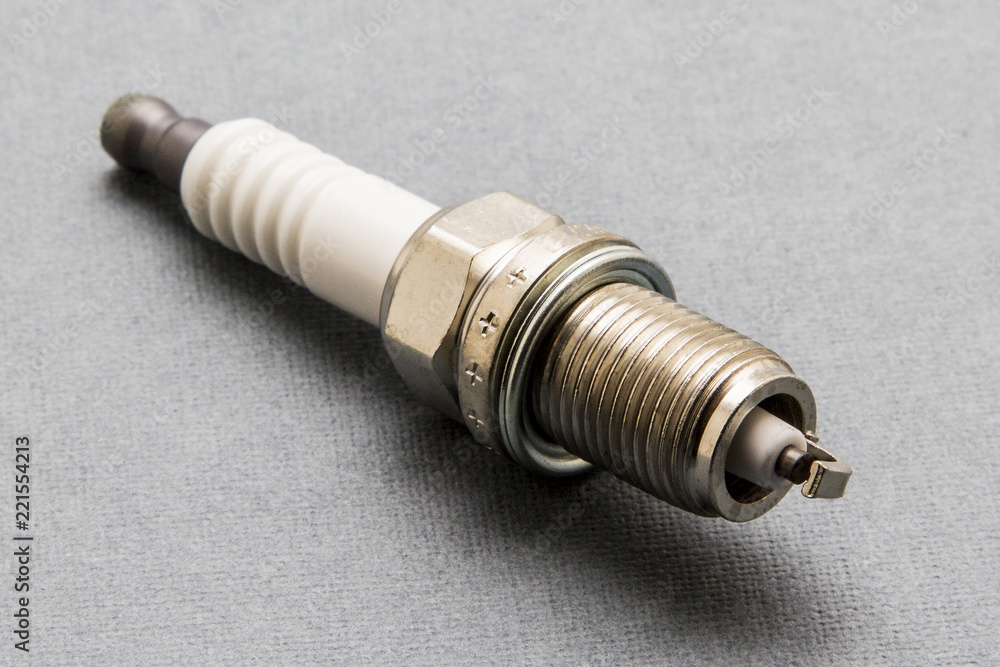
 Spark plug

    Spark plugs are everywhere. Most fuel powered engines have at least one, so cleaning them is not too uncommon. Your spark plug will be located somewhere on your engine block, and to remove it, you'll need the right size socket and ratchet. While most spark plugs are the standard 5/8'' or 3/4'' there are a few odd sizes such as 7/8'', 11/16'', 9/16'', etc. Once you've removed the spark plug cover/connector, you can unscrew the plug in a counter-clockwise motion until loose. All spark plugs have positive threads. 

    A good way to tell if your plug needs to be replaces is by the color of the terminal and electrodes. The electrodes are at the end of the spark plug that is inserted into the engine. If they are black or rusted, they will need to be cleaned. The terminal doesn't go through combustion, so should, at worst only be rusted.

    To clean a spark plug, you will need a few common items: 

-WD-40 or some other oil such as PB-Blaster 

-A wire brush

-Emery Cloth or fine grit sandpaper 

- A clean towel or rag.

    First you should spray down the plug with your oil to loosen up any rust or corrosion. Then brush thoroughly until all debris has been removed. Lightly sand in between the side electrode and center electrode until you have removed any burnt gasoline or rust. Spray the spark plug one more time and wipe with a cloth until completely clean. Let oil dry before reinstalling. While not usual, you may need to replace a corroded or missing gasket. Rescrew tightly into the engine block.


Parts I Most Often Service

    One of the main things a mechanic does, is replace or fix parts. There's so many moving components to an engine that something is al...